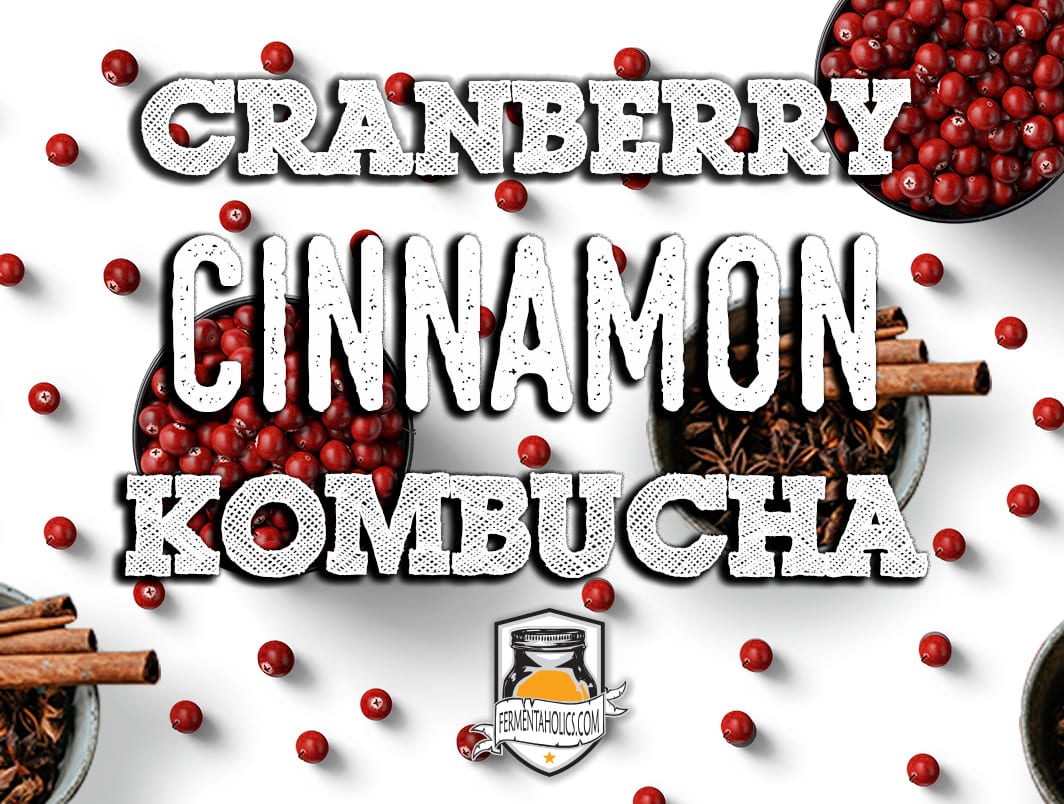
A taste that instantly transports you to the holiday season.

It’s that time of the year, again! Food season! Time to whip out your holiday thinking caps and experiment with the flavors of the season. I love how the end of the year is so focused on food. Not just any food, but specific flavors that instantly open books of nostalgia, transporting your brain to moments of comfort and coziness from years past. Today I’m talking cranberry and cinnamon. These two together transport me instantly to the best day of the year–Thanksgiving. Can’t every day just be Thanksgiving! 😀 …Every other day?! Cranberries are delightfully tart, like little baby sour apples. That similarity might be why cinnamon pairs so well with cranberries as it does with apples. With the cranberries, you get a little more zing, however. I like to add a little bit of lime juice to the mix. Limes are a great flavor smoother and add another layer of sweet tartness. In this case, I also add a little bit of sugar. If you want your kombucha to get nice and fizzy, you’ll want to add a little bit of sugar here as well. Depending on how long you let your primary ferment go when you bottle, there may be little to no sugar left for the yeast. The yeast needs the sugar to produce CO2 and thus fizzy kombucha! Being that there’s not a ton of sugar in cranberries, adding just a pinch of sugar when you bottle will do the trick. A delicious, cold, glass of bubbly cranberry and cinnamon kombucha is a great way to start your morning off right. And fulfill your Thanksgiving cravings. Let’s get into how you can make it at home.
It’s important to note that making homemade kombucha is almost always a two-step fermentation process. Brewing kombucha is only a one-step process for those who prefer an unflavored flat kombucha. Otherwise, the steps consist of a primary fermentation and a secondary fermentation.
Primary fermentation is the first step of the kombucha brewing process. This is where your SCOBY transforms regular sweet tea into the tart and slightly sweet kombucha we love. At the end of this stage, you will have finished kombucha, but it will be flat and unflavored. Have you skipped this step? Then check out our guide on how to make kombucha at home, and for jun kombucha, see our post on how to make jun kombucha tea at home. Traditional kombucha is going to yield a bolder brew, while jun kombucha is milder and can be a bit tarter.
Secondary fermentation is the step where you bottle, carbonate, and flavor your kombucha with the addition of sugar and flavors. In this step, the finished kombucha from the primary is mixed with sugar, fruits, or other flavors before bottling it with specialized lids that can hold pressure, like flip-top bottles. The bottled kombucha is then left at room temperature for natural fermentation, where yeast carbonates the kombucha within the sealed bottle. The ideal temperature range for this process is between 75-85°F. The amount of time needed to carbonate within the bottle is highly tied to temperature, which can take anywhere from 2-10 days.
💡Since this recipe is for the secondary fermentation, to make this recipe, you’ll need to have kombucha that has finished the primary fermentation and is ready to bottle.
This recipe makes one 16-fluid-ounce bottle. A 1-gallon batch of kombucha will make seven 16-ounce bottles, so for one gallon, you will need to multiply the ingredients by 7. Before beginning this recipe, you will need to:
16
fl oz Bottles10
minutes2 - 10
daysThis cranberry cinnamon kombucha recipe is for one 16 fluid ounce bottle. For a gallon batch, make seven bottles. To scale this recipe to a gallon batch, multiply the ingredients by seven or toggle the serving size up to seven above. Before bottling your kombucha, remove the SCOBY pellicle along with 12-16 ounces of kombucha starter tea from your brew, and reserve for your next batch.
16 oz Kombucha from a completed primary fermentation.
8-10 Quartered Cranberries
1 Cinnamon Stick
1/8 TSP Brown Sugar
1/2 Juice From a Lime
16 oz Kombucha Bottles